

We see development as a shared project, where player input count as much as any internal roadmap. The most beneficial changes almost always come from the people who log in and play every day, so we gave up relying closed-door planning years ago. Instead, we invite our members to propose ideas, debate their merits, and aid us decide what to build next. Surveys, forum threads, and direct messages all contribute to the same pipeline, and that pipeline now determines how we choose games, adjust the interface, and address everything from fairness checks to responsible gaming tools. What follows is a breakdown of the areas where community input has left the greatest mark. These are not hypotheticals. They are live updates influenced by thousands of conversations with players across multiple countries.
1. The Function of Player Feedback in Platform Development
Monitoring Through Multiple Channels
We maintain a feedback system that gathers player sentiment from various angles at once. Community forums, in-platform surveys, and social media threads all contribute to a shared inbox that our moderation team and product managers examine every day. Suggestions range from small interface fixes to full-blown feature pitches, and each one is categorized by urgency and whether we can actually implement it. When a request gains enough traction, it appears on the development radar fast. We also follow up publicly, posting status updates on ideas we have received so the person who suggested something realizes it was not dismissed. That habit has established sufficient confidence that more members now share their thoughts, and their contributions genuinely influence what ships in each release. The planning cycle has evolved from a corporate calendar to a conversation, and the platform is stronger because of it.
6. Safe Gaming Tools Built With Community Input
Personalized Limits
Accountable gaming functions best when the tools match the person, instead of the reverse. Comments indicated that strict, one-size-fits-all limits were pushing some players away, so we implemented fully customizable deposit, loss, and session time thresholds. A reality check feature that displays gentle on-screen reminders at configurable intervals was derived from a forum thread where members discussed healthier play habits. We also developed a self-assessment questionnaire that assists players assess their own actions, with prompts to adjust limits if the answers signal concerns. The language in these tools went through several rounds of community review to achieve the right tone, clear without being preachy. Access to support resources now is located closer to the main interface, reducing the steps needed to reach help. Continuous conversations with the community maintain these tools aligned with what players really need as habits and best practices shift.
5. Speedier Payouts Via Shared Insight
Optimizing Withdrawal Workflows
Sluggish withdrawals generate more frustration versus nearly any other factor, and our community made it this unacceptable to ignore. We combed through thousands of support tickets and forum posts to pinpoint where the bottlenecks lived. The patterns revealed overly hands-on verification steps and inconsistent e-wallet coverage. We responded by improving the KYC system to digitize document checks, which reduced approval times. We also broadened the list of supported payment methods to include more instant options, a change prompted by players in regions that traditional banking takes for days. The cashier page now displays estimated processing times for each method, updated in real time according to current volumes. Community members also helped us improve the status notification system so players get clear updates at each stage without requiring contact support. Average withdrawal times have dropped, and the satisfaction scores have climbed in step.
2. How the Community Shapes Game Selection
Starting with Voting to the Lobby
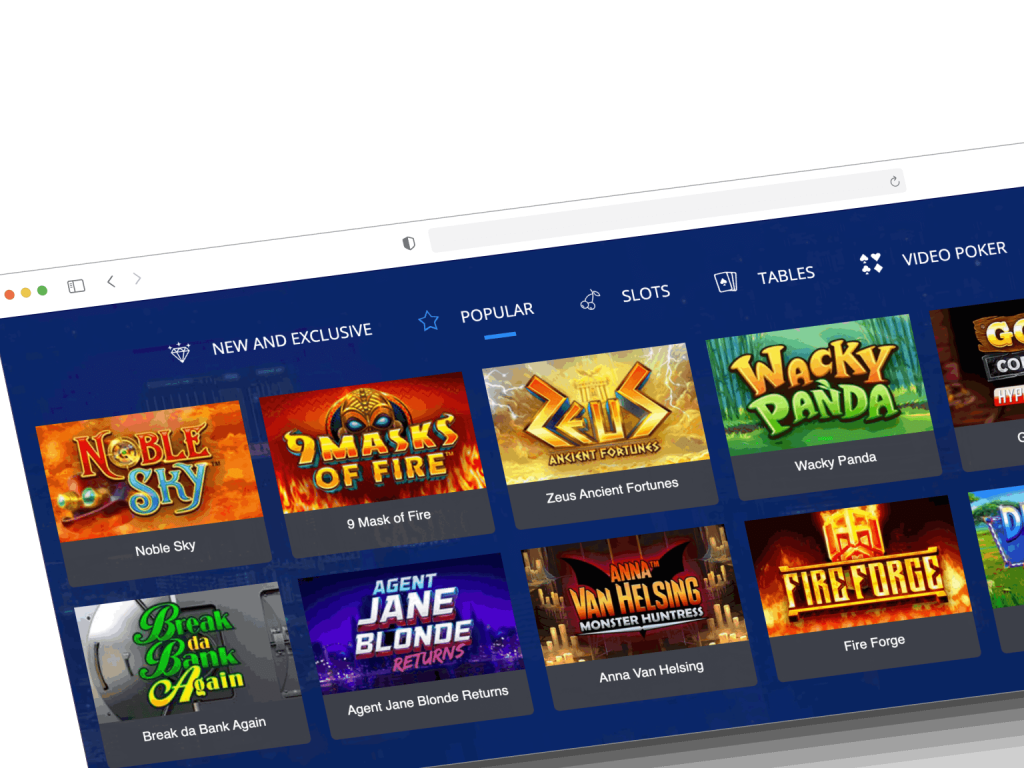
The game library is the strongest proof point. We organize polls and themed voting events where players select which titles they want to see next, and those results are binding. When a slot or a live dealer table gets overwhelming support, our partnerships team transfers it to the front of the negotiation queue. We also launch select demo versions based on popular demand so members can try out new mechanics before a full launch. This maintains the catalogue fresh and stops it from straying from what an international audience actually appreciates. Behind the scenes, we still track gameplay data to identify emerging patterns, but the direct requests add a layer of human judgment that spreadsheets fail to capture. The lobby comes across like a shared playlist rather than a fixed menu.
- Regular polls on upcoming game titles and themes
- Request-driven partnerships with new and niche providers
- Advance access to demo versions for community feedback
- Themed event themes voted on by the player base
4) Fairness and Openness Applied Concurrently
Demonstrably Fair Frameworks
Reliance does not persist on promises, and our user base compelled us to prove it. Users asked repeatedly for third-party confirmation of game results, so we embedded provably fair systems across our exclusive games. Everybody can check the fairness of a session using cryptographic digests, no blind faith required. We also release monthly payout reports and return-to-player figures in simple terms. When members desired deeper breakdowns of how random number generation operates in application, we created a specialized fairness information page with visual walkthroughs and real cases. The same openness applies to bonus terms and wagering obligations, which we simplified after the audience flagged overly complicated conditions. An knowledgeable player forms better decisions, and that approach has decreased complaints while enhancing overall contentment.
Three. Interface Improvements Suggested by Community
Optimizing Site Flow
Every icon and menu is open for user feedback https://sspinzen.com. Members continuously informed us they needed faster paths to user preferences, transaction log, and most-played games, therefore we created a customizable dashboard where each member can place what they use most. The main navigation bar got a overhaul guided by usage analytics and direct comments, cutting the amount of taps necessary to access core sections. Crowded dropdowns were replaced with a more streamlined icon-based layout which dedicated test participants approved in usability sessions. Phone users provided particularly insightful feedback, prompting a touch-friendly menu which minimizes unintended touches and performs well with one hand. No part of this was the product of a one-time design sprint. We posted initial prototypes on the forum, asked for criticism, and continued improving until the hassle was removed. The openness to accept hard feedback has become central to how we design, and it assures that future updates remain based in real usability.
7. What Lies Ahead for Shared Development
Community-focused improvement is a process, not a checkbox. The next few months feature several initiatives that members put forward directly: a loyalty programme redesign that rewards constructive feedback, and a dedicated beta testing group for early feature access. We are also preparing ways to give players a better view into the development pipeline through regular live streams and open Q&A sessions. The aim is to diminish the line between user and contributor even further. As we expand into new markets, local player insights will inform how we adapt content and services without sacrificing the international character that defines Spinzen Casino. Keeping this dialogue open means every release feels like something we built together, not something handed down from above. We invite all members to keep the ideas coming. The best improvements are always the ones we make side by side.