
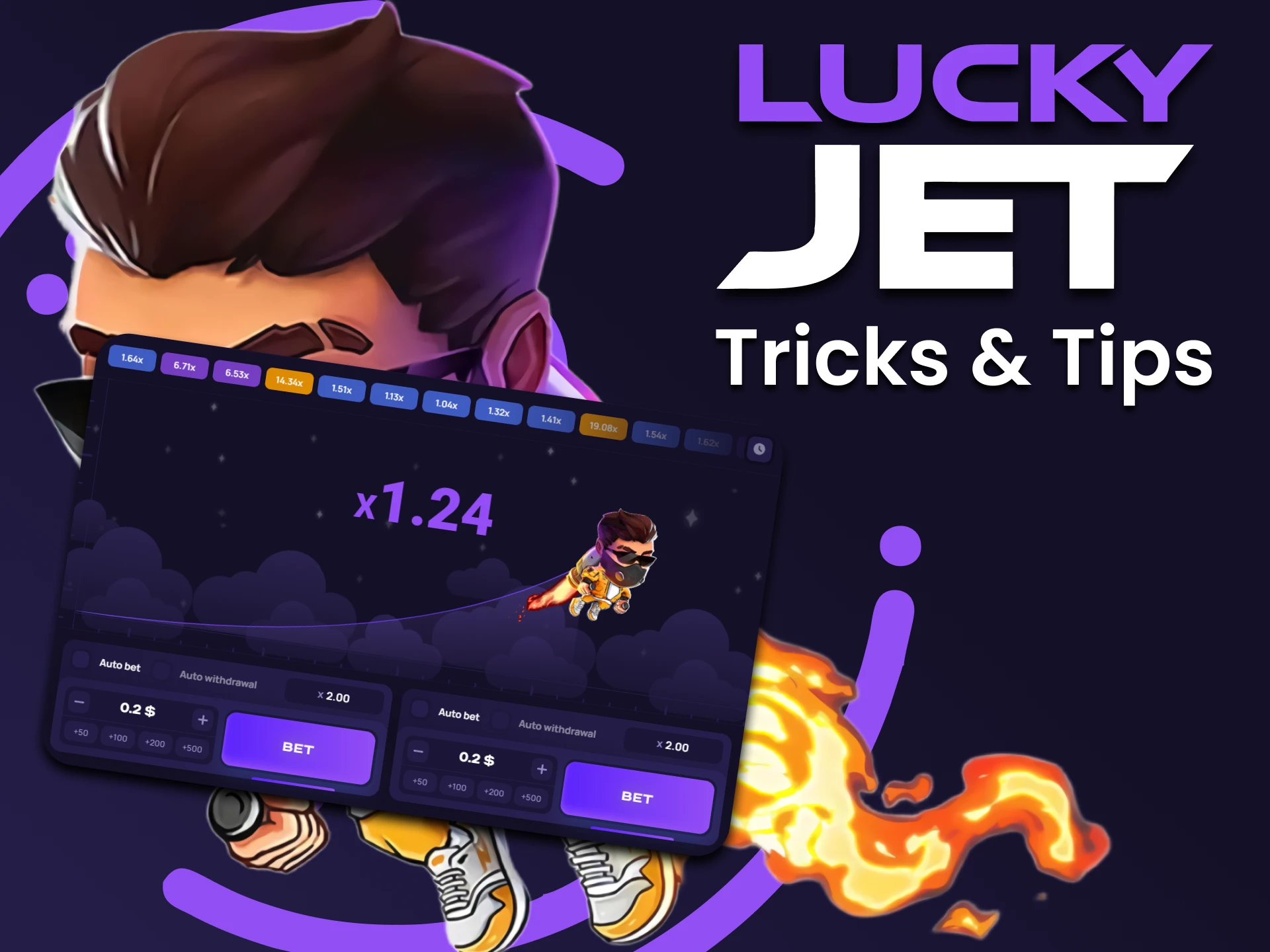
As an expert of the iGaming landscape, I have observed numerous crash games arrive in the market, but few exhibit the inherent adaptability of the Luckyjetgame. Its fundamental design are globally attractive, yet its true potential is unlocked through strategic customization, a process I believe is essential for success in the discerning UK market. For providers like those at Lucky Jet Casino, this is not just about skin-deep changes; it’s about tailoring the complete customer interaction to appeal to domestic user mindset, compliance requirements, and cultural nuances. In this detailed analysis, I will explore the diverse personalization options present, from sight and sound customization to the critical integration of safe gaming features and localized marketing tactics. The journey from a basic solution to a customized British gaming essential is one of meticulous deliberation and calculated rollout.
Grasping the UK User’s Traits
Before any system adaptation starts, one must first grasp the target group. The UK gamer is knowledgeable, having been part of a mature, controlled online gambling environment for over a decade. They are accustomed to high standards of fairness, openness, and user rights. My assessment is that they prioritize straightforwardness over undue flamboyance; a neat, intuitive interface that conveys probabilities and expected outcomes clearly will build more trust than a messy, overly flashy one. Furthermore, the UK market has a distinct preference for straightforward value propositions and a keen knowledge of payout percentage (RTP) percentages and game rules. This educated player community does not take kindly to opaque workings or dishonest presentations, making truthful dialogue a essential element of any customization attempt for the Lucky Jet game in this market.
Legal Adherence as a Adaptation Influence
Adaptation in the UK is not optional; it is heavily influenced by the strict requirements of the UK Gambling Commission (UKGC). This authority sets the gold standard for player safety, and their rules must be the main blueprint for any adaptation. From my standpoint, this goes beyond simply adding a logo. It necessitates the seamless integration of age verification prompts, direct links to deposit limits and self-exclusion tools like GAMSTOP, and explicit display of betting history and transaction records. The game’s interface must be crafted to accommodate these mandatory elements without disrupting the gameplay flow. Therefore, a UK-customized Lucky Jet game will inherently have a more responsible gambling-centric framework, which, while a regulatory mandate, also serves to foster long-term player trust and viability.
Cultural and Visual Appeal
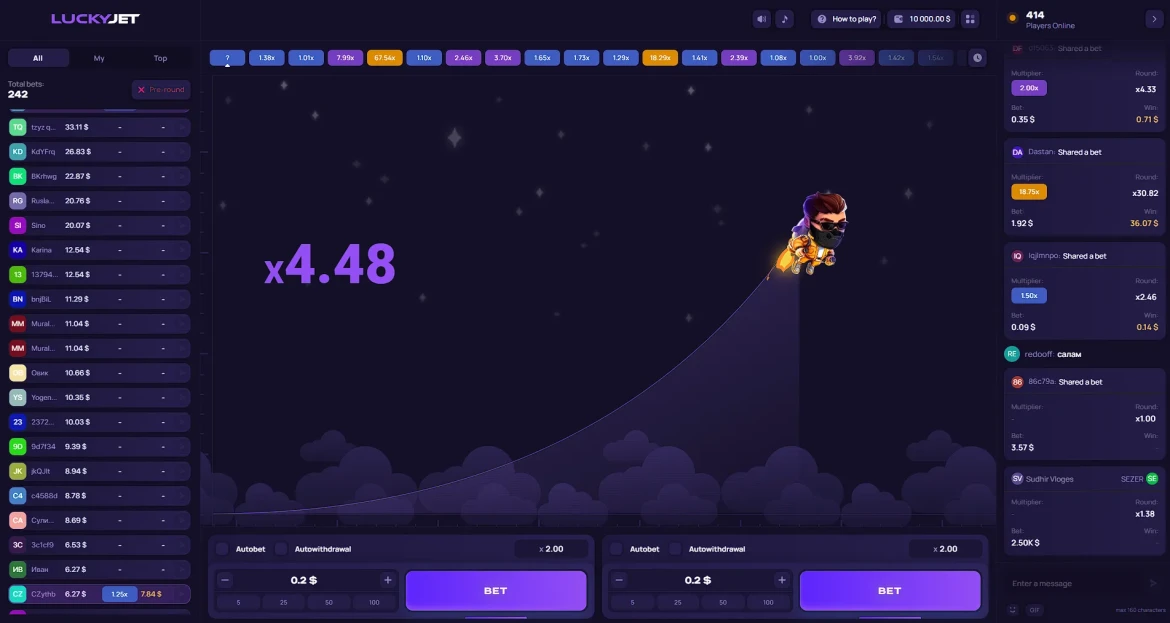
While the main rocket-themed journey of Lucky Jet is globally understandable, subtle aesthetic adjustments can improve local attraction. This doesn’t involve covering the Union Jack on every area, but rather using a colour palette and design approach that feels comfortable and premium to a UK market. I believe the application of clean typography, a balanced layout that focuses on information clarity, and perhaps thematic elements that subtly evoke British notions of aviation history or modern innovation. The audio design, too, matters; sound effects and background music should be engaging but not overbearing, corresponding with the more reserved sonic preferences often noted in this market compared to others. The aim is to build an environment that feels both thrilling and reliable.
Marketing and Communication Customization
The way Lucky Jet is showcased and conveyed to UK players represents a distinct area of adaptation. The marketing language must comply with the UK Advertising Standards Authority (ASA) codes, preventing any suggestion that skill influences the crash game’s outcome or that gambling is a answer to financial concerns. Descriptions should center on entertainment value, game mechanics, and technical features like RTP. From my analytical viewpoint, educational content turns into a powerful tool here. Developing UK-focused guides, strategy explainers (emphasizing that no strategy guarantees wins), and transparent breakdowns of how the game’s algorithm ensures randomness can establish immense credibility. This honest, informative approach aligns perfectly with the UK player’s desire for transparency and demystification.
Localized Player Support and Feedback Loops

Customization is not a one-time event but an ongoing process fueled by player feedback. A UK-focused operation needs to set up direct channels for gathering and responding to insights from its local player base. This entails ensuring customer support is knowledgeable about the Lucky Jet game’s specifics and can handle queries in a culturally appropriate manner. Moreover, I support using data analytics not just for commercial purposes but to understand how UK players interact with the game differently—their average session length, preferred bet sizes, and cash-out patterns. This data should then flow back into the customization cycle, shaping adjustments to default settings, promotional offers, and even future feature development specifically for this market.
Operational and Technical Customization Layers
Going past aesthetics, the practical layers of the Lucky Jet game provide profound customization opportunities. At the most basic level, operators can adjust the game’s volatility and RTP within the ranges offered by the developer, allowing them to adapt the risk-reward profile to their brand’s positioning and their player base’s preferences. A platform catering to casual entertainment seekers might opt for a lower volatility, more frequent small-win setup, while one focusing on seasoned players could opt for higher volatility for the chance of larger multipliers. Furthermore, the betting interface itself can be personalized—default bet amounts, quick-bet buttons, and the presentation of the auto-play and cash-out functions must be arranged for intuitive use, making sure they meet UKGC guidelines on speed and player control.
On-Screen Features and Extra Bets
A refined area for customization lies in the possible addition of market-specific features or side bets. While the core loop of predicting the rocket’s flight remains sacrosanct, operators can collaborate with providers to integrate ancillary betting options that resonate with UK players’ love for variety. Picture a side bet on the colour of the rocket’s trail correlating to a particular multiplier range, or a “Double or Nothing” feature after a successful cash-out. I must stress that any such addition requires rigorous testing for fairness and clear communication of odds. These features, if implemented well, can add a layer of strategic depth and engagement, making the Lucky Jet experience on a UK site feel uniquely enriched compared to its international iterations.
Integration with Loyalty and Promotional Systems
No game functions in a vacuum, and its integration with the casino’s wider ecosystem is a critical customization frontier. For the UK market, where bonus offers are heavily regulated (with wagering requirements clearly stated and time limits enforced), the Lucky Jet game must be perfectly attuned to the operator’s promotional engine. This means seamless tracking of qualifying bets for deposit bonus wagering, the ability to activate time-sensitive in-game challenges or tournaments specifically for UK players, and the consistent earning of loyalty points or tier credits based on gameplay. I see this technical integration as a silent yet powerful customizer; it embeds the game into the player’s overall journey on the site, increasing retention and perceived value.
Future-Proofing
The UK iGaming market is dynamic, with player preferences and compliance requirements always changing. Thus, a truly successful personalization approach for the Lucky Jet game must be future-proof. This involves utilizing a system that enables rapid adjustments. Given the ongoing dominance of mobile play, ensuring the customized experience is flawless on Apple and Android devices, with flexible interfaces and touch-friendly controls, is mandatory. Looking ahead, I am considering the prospective addition of new technologies like advanced data graphics for gambling logs or the careful adoption of community elements that meet strict UK data security standards (GDPR). The system must enable the game to accommodate new payment options popular in the UK, such as open banking services, without disrupting the user experience.
Adapting to Legal Changes and Responsible Gaming
Tomorrow’s tailoring will undoubtedly be shaped by further compliance updates. The persistent conversations around affordability checks, stake limits for virtual slots, and even game design features like rotation rates have a direct effect on crash-style games like Lucky Jet title. An anticipatory tailoring method involves building the game with a modular approach, enabling the rapid deployment of new required player protection measures. For instance, if compulsory loss or session limit warnings are mandated, the game’s code must easily support these measures. By regarding regulatory conformity not as a restriction but as the foundation around which groundbreaking, user-protective personalization occurs, companies can guarantee the Lucky Jet game remains a permanent and valued presence in the UK’s legal betting environment.
Tactical Implementation and Vendor Selection
The final piece of the puzzle is the implementation. Attaining this level of deep customization for the Lucky Jet game in the UK market is not a task for operators alone; it relies on selecting the right software provider and technology partner. From my viewpoint, operators must seek providers who offer not just a white-label product, but a true partnership with robust back-end tools for customization. This involves access to detailed configuration panels, the ability to collaborate on bespoke feature development, and a provider that demonstrates a clear understanding of UKGC compliance. The provider’s roadmap should align with the operator’s vision for the UK market, securing that the game evolves in tandem with local expectations. The right partnership turns customization from a concept into a competitive advantage.